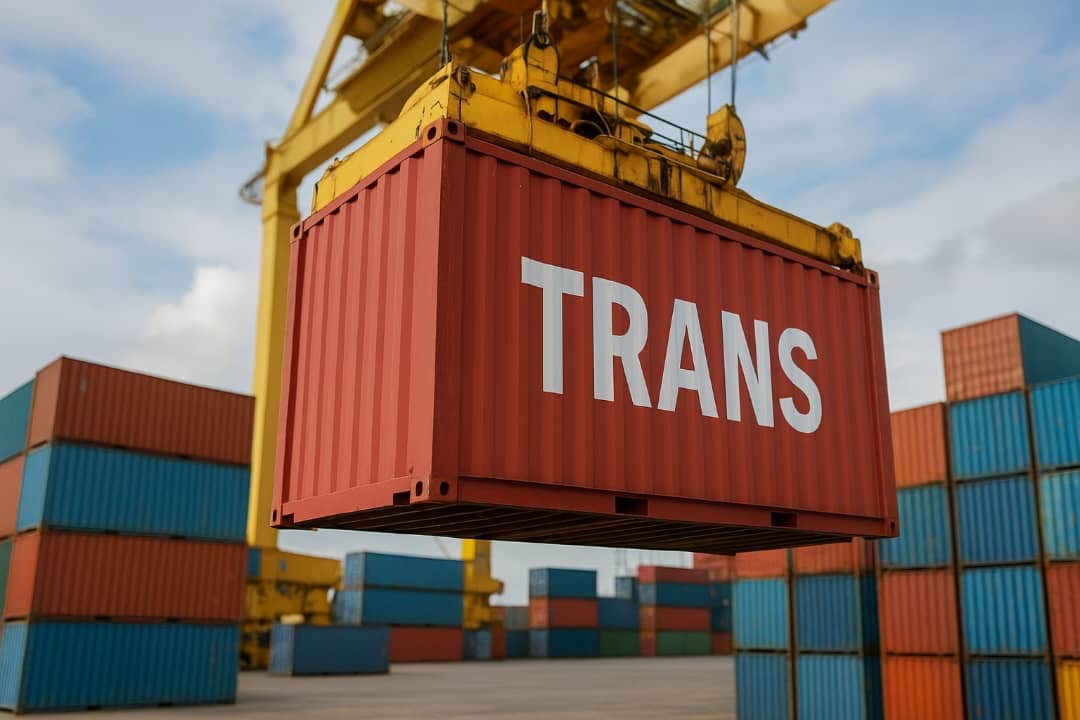
International Transit: Hidden Challenges and Their Impact on the Supply Chain


International Transit: Hidden Challenges and Their Impact on the Supply Chain
Introduction
The international transit industry, as one of the key pillars of the global supply chain, faces a multitude of challenges that often go unnoticed. These challenges, ranging from sudden crises to psychological pressures and packaging issues, can have profound effects on the efficiency and costs of the supply chain. In this article, we explore these hidden challenges and offer practical solutions to address them
1. Sudden Crises: Unpredictable Impacts
Crises such as storms, border protests, and sudden changes in customs policies can have a severe impact on transit operations. For instance, reports from the United Nations show that attacks in the Red Sea and the ongoing war in Ukraine have drastically reduced trade volumes through these routes. These crises can lead to increased costs and significant delays in goods delivery.
2. Incorrect Packaging: Hidden Costs
Improper packaging can not only lead to damage of goods but also incur additional costs. Studies show that inefficient packaging can increase transport expenses, require rework, and even result in goods being returned. These issues can have a negative impact on a company’s profitability
3. Psychological Pressure and Decision-Making Under Stress
Psychological pressure from stress can significantly affect decision-making in the transit industry. Research shows that stress can lead to reduced focus and poor decision-making. In the transit industry, this can result in delays and increased costs.
4. Customs Complexity: Legal Challenges and Their Impact
Complex and fluctuating customs laws can create significant challenges for international transit. For example, changes in U.S. customs laws led companies like DHL to temporarily suspend shipments of goods worth over $800. These changes can result in delays and cost increases within the supply chain
5. Technology and the Digitization of Transit: Opportunities and Challenges
New technologies like blockchain and artificial intelligence can greatly enhance transit processes. These technologies can aid in crisis prediction, route optimization, and cost reduction. However, adopting these technologies requires investment and proper training.
Conclusion and Solutions
International transit faces a variety of challenges that can have significant effects on the efficiency and cost of the supply chain. To address these challenges, it is recommended that companies:
Ongoing Employee Training: Increasing employee awareness and skills can help reduce mistakes and improve decision-making.
Adopt New Technologies: Embracing technologies like blockchain and artificial intelligence can improve transit efficiency and lower costs.
Proper Packaging: Ensuring goods are properly packaged can prevent damage and reduce additional expenses.
Continuous Monitoring of Customs Regulations: Keeping track of changes in customs laws can prevent legal issues and delays.
By implementing these solutions, companies can improve their performance in the international transit industry.